
Conversations In The Borderlands
CONVERSATIONS IN THE BORDERLANDS
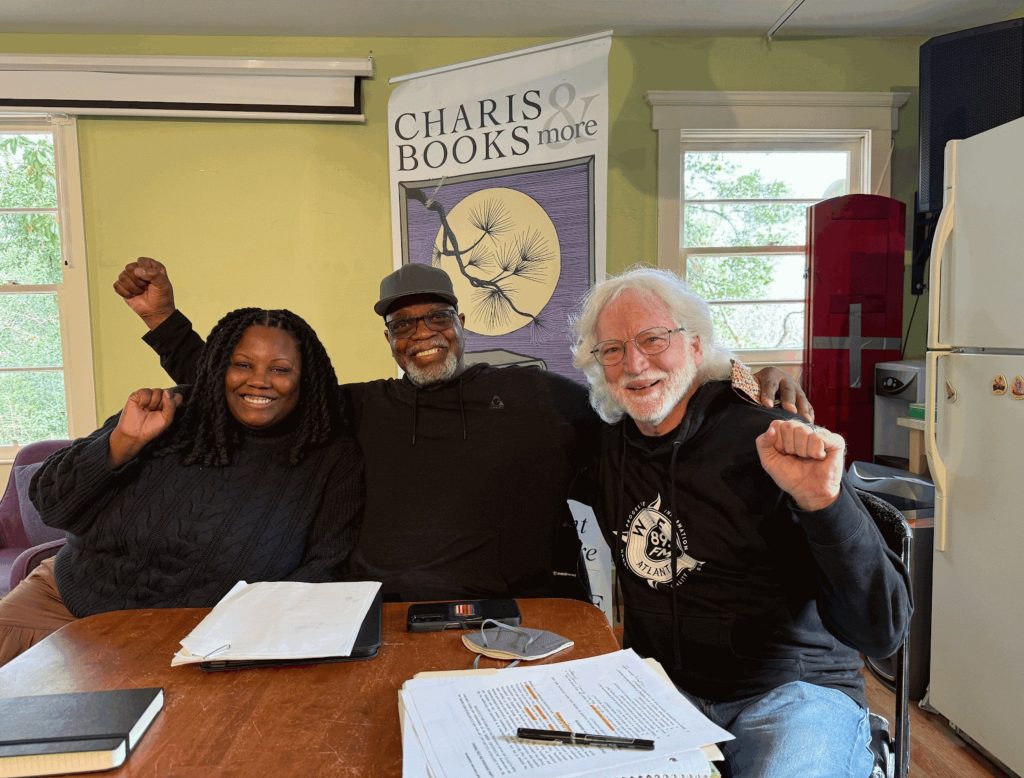
“Our remembered stories remind us of values embraced in oppressive conditions, of struggles waged with others for better lives. We made mistakes, and we made some things better. We are learning from those struggles, and we hope to share our lessons. We will learn from others and continue to fight – for love and justice and liberation.” -M. Thandabantu Iverson
ABOUT THE COLLECTION
The purpose of this oral history collection is to document and interrogate the life histories of Paul McLennan and M. Thandabantu Iverson. The oral histories will examine their individual and intertwining journey(s) of personal and political friendship. Through this collection of reflections and conversations, we hope to glean both questions and lessons from the radical, grassroots organizing of two lifelong agents of change.. Our reflections and conversations will also address their experiences with/in the Eurocentric Left. Throughout, their intersectional orientation(s) will probe the ways in which our personal and political lives have been impacted by the organizing principles and processes of heteropatriarchy and racial capitalism. Their probing has been guided by the practical and theoretical lessons of the intersectionality still being forged by Black feminists and womanists, and decolonial feminists of The Global South, in particular.
We have chosen the term “Borderlands” because we are applying Gloria Anzaldúa’s recognition of spaces of difference created by oppressive and exploitative social orders. We recognize, and we willingly enter, these uncomfortable, “in-between spaces,” where differences are usually interpreted and used to exclude. We choose to understand and navigate these spaces as places where possibilities exist for “uniting all that has been made separate” and new consciousness and actions can be forged. We hope for intergenerational dialogue that can continue the never-ending work of radically transforming this U.S. settler colony.
Narrators
M. Thandabantu Iverson
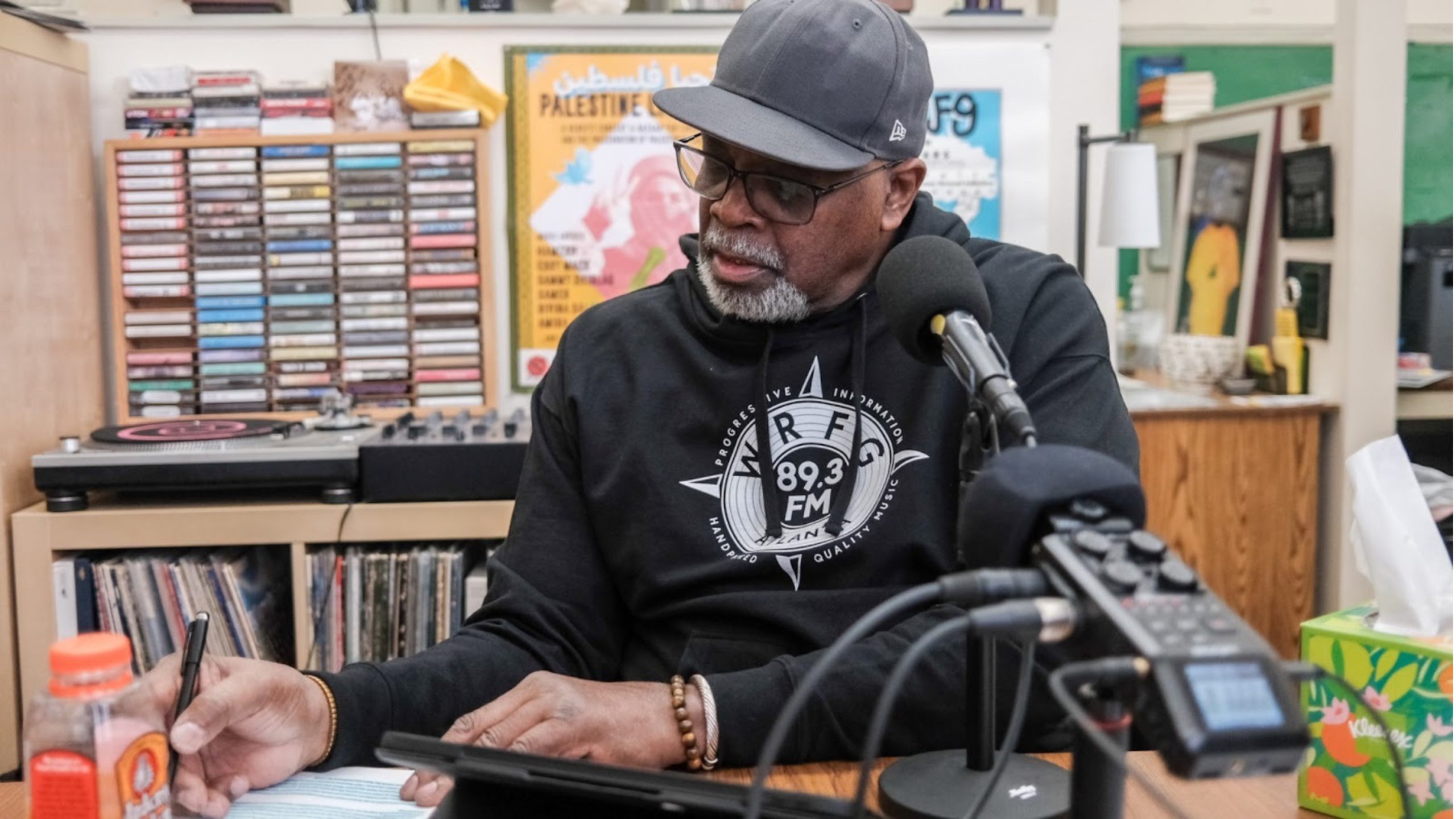
About: Marion Thandabantu Iverson is a veteran organizer for human rights, having participated in various social movements within the United States; including the Black Freedom Movement, Vietnam Anti-War, African Liberation Support, New Left, and Human Rights Movements.
Thandabantu has gained valuable movement-building experiences through his work in productive labor in a variety of U.S. occupations. These experiences of productive labor have included: health & safety organizer on the International Staff of the Service Employees’ International Union (SEIU); stage hand and decorator within the International Association of Theatrical and Stage Employees (IATSE); coal miner and mine safety activist within the United Mine Workers of America (UMW A); auto worker within the United Auto Workers (UAW); steel worker within the United Steel Workers of America (USWA); furniture worker; shipyard worker; taxi driver; cook/butcher; elementary/middle school teacher; assistant university professor; and senior lecturer.
Thandabantu has served on boards for several movement organizations, including: the U.S. Human Rights Network (USHRN, Founding); the Calumet Project of Northwest Indiana; the United Association for Labor Education (UALE); the African American Policy Forum (AAPF); Men Stopping Violence, Inc. (MSV); and the Southern Conference Educational Fund (SCEF).
Thandabantu earned his doctorate from the Department. of Political Science at Clark Atlanta University in 2007. His dissertation,”Serving in the Shadows: African-American Women Health Care Workers in Gary, Indiana, 1980-2000,” is an examination of workplace and union conditions and resistance strategies of African American women. His teaching and research have been primarily focused on understanding the intersections of race, gender, class, sexuality, and nation in the fields of Feminist Theory, African-American Political Thought, Labor Studies, and Human Rights.
Thandabantu continues his movement-building activities through research, teaching, activism and writing on socially-reproductive labor, movement-building, and liberation theologies. He is a husband and grandfather, living in Aurora, Colorado.
CLICK HERE to visit the Interview Transcript and Audio landing page for Thandabantu’s Interview.
Paul McLennan

About: Paul McLennan is a labor and community organizer who has been organizing in the South since 1977. After four years working at Cannon Mills in Kannapolis, North Carolina with an in-plant organizing committee of the Amalgamated Clothing and Textile Workers Union, he moved to Atlanta. He is a retired member of Amalgamated Transit Union Local 732 where he served as shop steward, newsletter editor, executive board member, and delegate to the Atlanta Labor Council. In addition to the labor movement, he has been active in the anti-war, anti-apartheid, immigrant rights, and disability rights struggles.
Currently, he works part-time at the Georgia Latino Alliance for Human Rights, co-chairs the Decolonize Decatur Committee of the Beacon Hill Black Alliance for Human Rights, co-hosts the WRFG Labor Forum, and is a member of the Atlanta Multifaith Coalition for Palestine and the Atlanta chapter of the Southern Workers Assembly. He has written for the Center for Democratic Renewal, Labor Notes, Black Agenda Report, and co-wrote “Born of Struggle, Implemented through Struggle: Reflections on Organizing and Building a People-Centered Human Rights Movement in the United States,” published in 2011 by the U.S. Human Rights Network.
A major influence is Ella Baker and the radically democratic work of the Student Non-Violent Coordinating Committee (SNCC) during the Black Freedom Movement of the 1960s. As a trauma and abuse survivor and grandfather to 3 grandsons, he centers the importance of healing ourselves while transforming the world and passing the struggle on!
CLICK HERE to visit the Interview Transcript and Audio landing page for Paul’s Interview.
Oral Historian
Dartricia Rollins
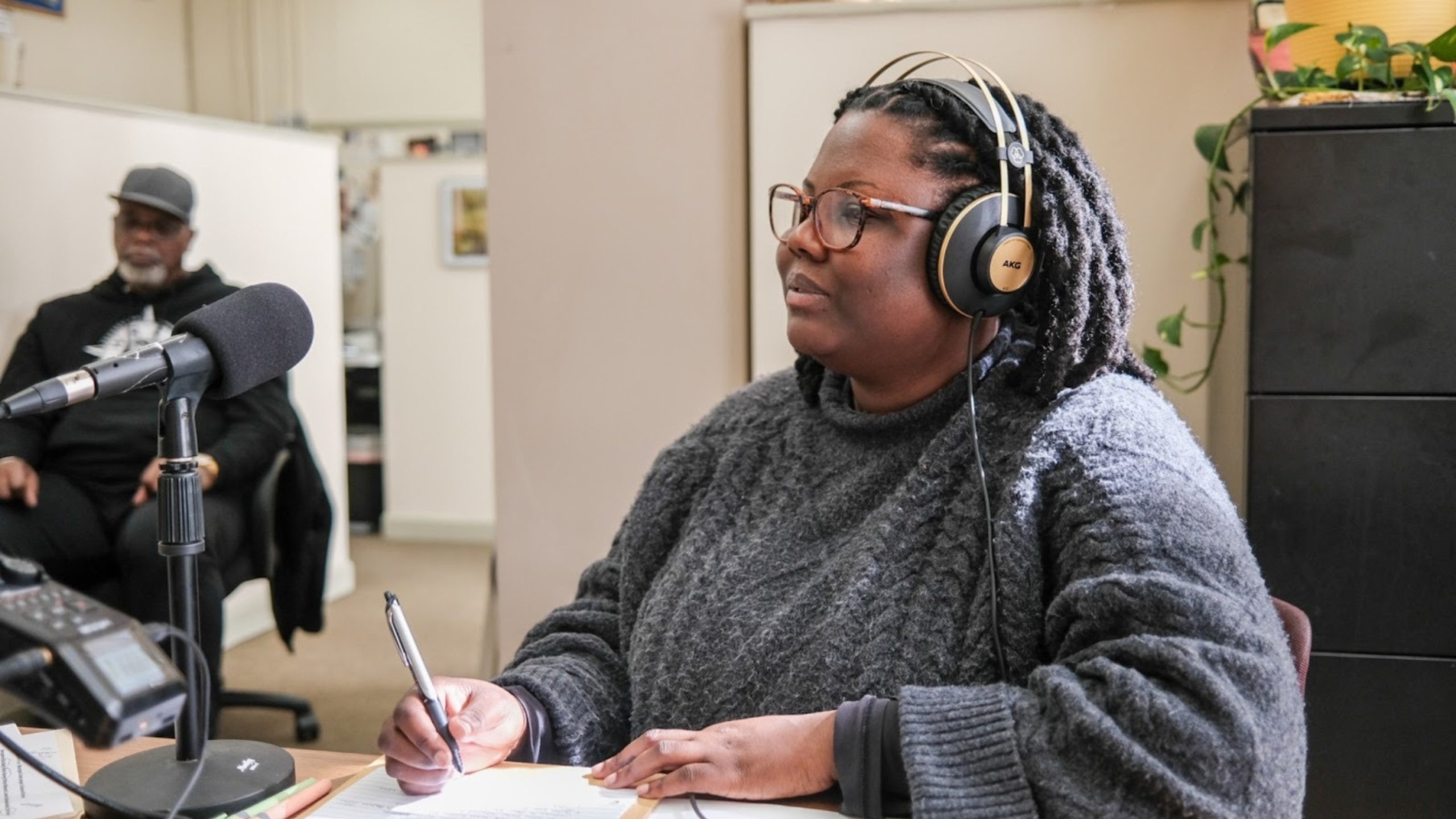
About: Dartricia Rollins is the Visiting Librarian for Oral History in the Rose Library at Emory University and co-founder of Georgia Dusk: a southern liberation oral history. She is an organizer with the Black Alliance for Peace and the Jericho Movement and co-host of Revolutionary African Perspectives (RAP) on WRFG Atlanta 89.3 FM and the Groundings Podcast.
MOVEMENT REFLECTIONS, MOVEMENT QUESTIONS
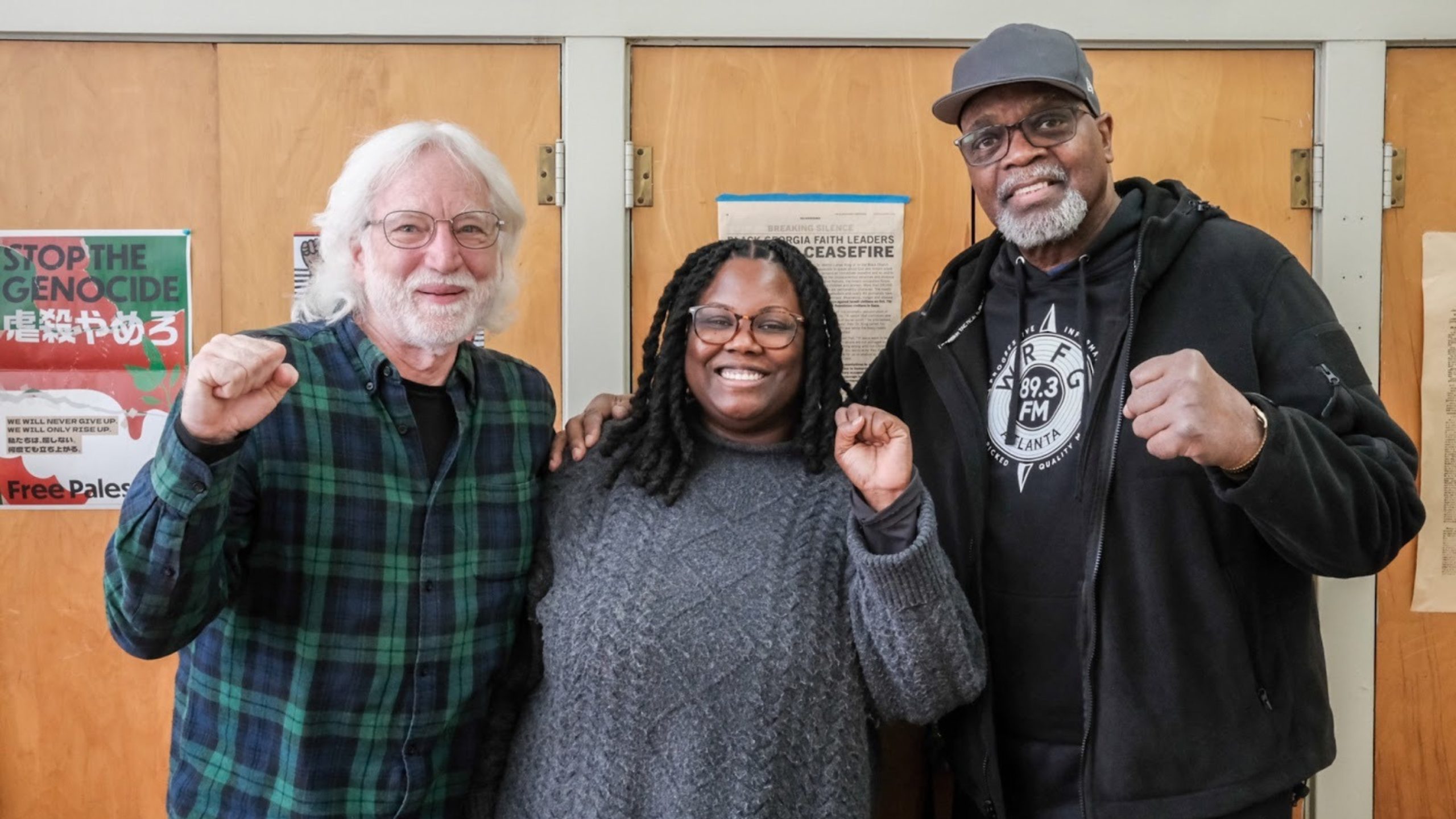
“Thandabantu and I did this oral history project as a way to capture some stories and lessons from our decades-long work as organizers for social transformation in this settler colony called the United States. Our primary objective with this work was to have an intergenerational dialogue with younger comrades as we all try to figure out how to confront the current fascist system in this settler colony and dream and create a new world beyond it.
One way we can describe our personal and political journey is to say there has been an evolving revealing of the blindspots that we think have hindered the development of the transformative movement we need. One example is that both of us came up at a time when issues of race and class were centered. Discussions of patriarchy were absent, and the organizations we both belonged to took a homophobic and transphobic position on sexuality. While heavily influenced by Mao and the Chinese Revolution, we can also say that our outlook was grounded primarily in the European ideas of Marx and Lenin.
It wasn’t until many years later that we began to integrate the thinking of feminists of color whose contributions had been ignored by too many on the left. Intersectionality, for example, and the understanding that more than one form of oppression can be happening at the same time is an important tool for organizers. Another example is the work of writers like bell hooks and Margaret Randall who saw that we must include dealing with the issues of trauma and woundedness that directly impact the movements and organizations we try to build. Later still was working to incorporate the ideas, perspective, and values of the Indigenous both here and around the world who see beyond the present form of the nation state and demand we incorporate decolonization into all areas of our work. ‘I believe the struggle is eternal . . . somebody else carries on,’ said SNCC organizer Ella Baker. We hope this memory work can be a small contribution to it.” –Paul McLennan
CALL TO ACTION
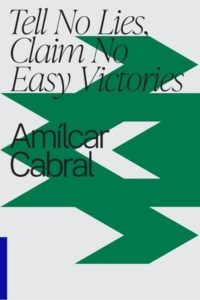
“Tell no lies, claim no easy victories” – Amilcar Cabral
‘Hide nothing from the masses of our people. Tell no lies. Expose lies whenever they are told. Mask no difficulties, mistakes, failures. Claim no easy victories…’ – Amilcar Cabral
Tell No Lies, Claim No Easy Victories showcases the intellectual foundations and practices underpinning the liberation of Guinea-Bissau and Cape Verde. From the importance of culture in decolonisation, to biting critiques of Portuguese colonialism, and strategies for guerrilla warfare in tropical forests, this new collection brings together select interviews, official speeches and PAIGC party directives from 1962 to 1973. Tell No Lies, Claim No Easy Victories reveals Cabral to be a skilled diplomat and lively and pragmatic thinker, concerned with national liberation in the context of Pan-Africanism and international struggle.
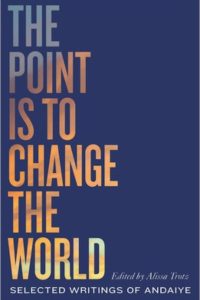
“The point is to change the world.” –
Radical activist, thinker, comrade of Walter Rodney, Andaiye was one of the Caribbean’s most important political voices. For the first time, her writings are published in one collection. Through essays, letters and journal entries, Andaiye’s thinking on the intersections of gender, race, class and power are profoundly articulated, Caribbean histories emerge, and stories from a life lived at the barricades are revealed. We learn about the early years of the Working People’s Alliance, the meaning and impact of the murder of Walter Rodney and the fall of the Grenada Revolution. Throughout, we bear witness to Andaiye’s acute understanding of politics rooted in communities and the daily lives of so-called ordinary people.
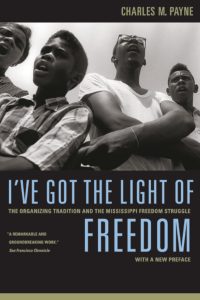
“An illuminating examination of the Civil Rights movement at the local level, in this case Greenwood, Mississippi, in the 1960s. As Payne deftly grafts Greenwood’s struggle onto the larger movement, he challenges several widely accepted conclusions, such as overemphasizing a core cadre of male leaders while overlooking the important contributions of women and youth and the belief that the black church was an early leader in the movement. Much of Payne’s information is culled from oral interviews with actual movement participants. The result is an important history of the Civil Rights movement at the grass-roots level . . . The excellent bibliographic essay is essential reading. Recommended for any library that collects Civil Rights materials.” ― Library Journal
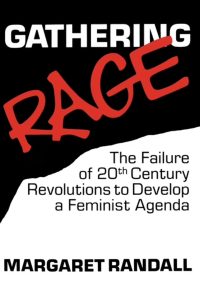
Margaret Randall is a poet, writer, translator, photographer, and activist who has lived in New York, Mexico City, Havana, Cuba, Managua, Nicaragua, and Albuquerque, New Mexico, with short stays in North Vietnam and Lima, Peru. Her time in these places often coincided with major sociopolitical upheavals or pivotal historic moments. She edited an important bilingual literary magazine for eight years out of Mexico City and has known some of the great minds of her generation. When she returned to the United States, the US government ordered her deported because of opinions expressed in some of her books, and she was forced to wage a five-year battle for restoration of citizenship. Her correspondence with those she met along the way makes for exciting reading.
WRFG 89.3 FM is Independent thanks to the support of listeners like you.
Show your support by contributing now!